Dressing Thakur Ji is a beautiful part of daily worship for many devotees. From choosing attractive colours to selecting traditional designs, every detail adds something special to the overall shringar. However, while purchasing a Thakur Ji dress, one important factor that should never be overlooked is fabric selection. The material used in an outfit affects its appearance, softness, maintenance, and suitability for different seasons.
With so many options available, including cotton, silk, velvet, satin, and net fabrics, selecting the right material can sometimes be confusing. Some fabrics are ideal for everyday dressing, while others are more suitable for festivals and special occasions. Understanding the qualities of different materials can help you make a better choice when buying Thakur Ji dress.
1. Fabric Determines the Overall Appearance of the Dress
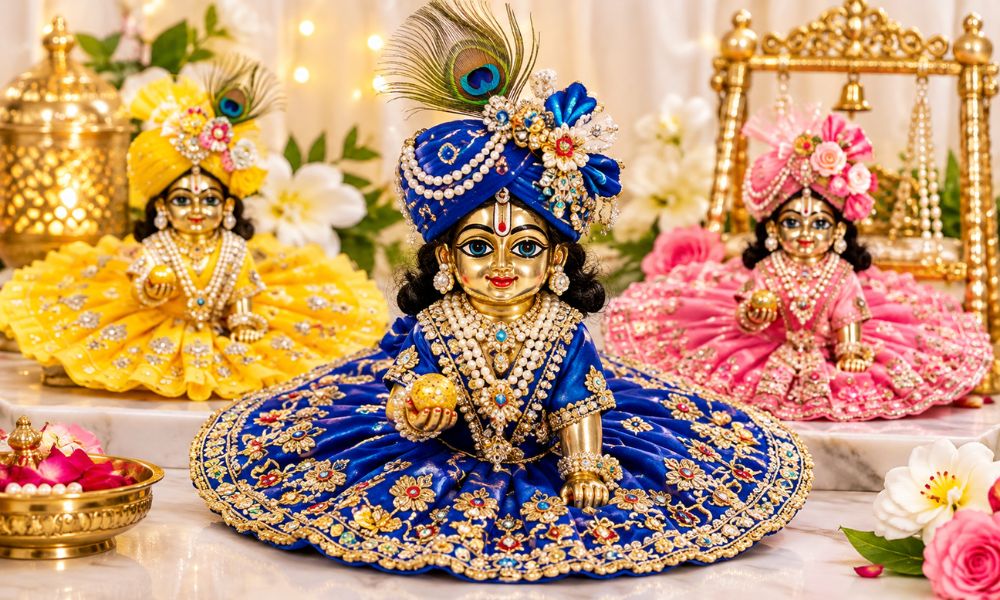
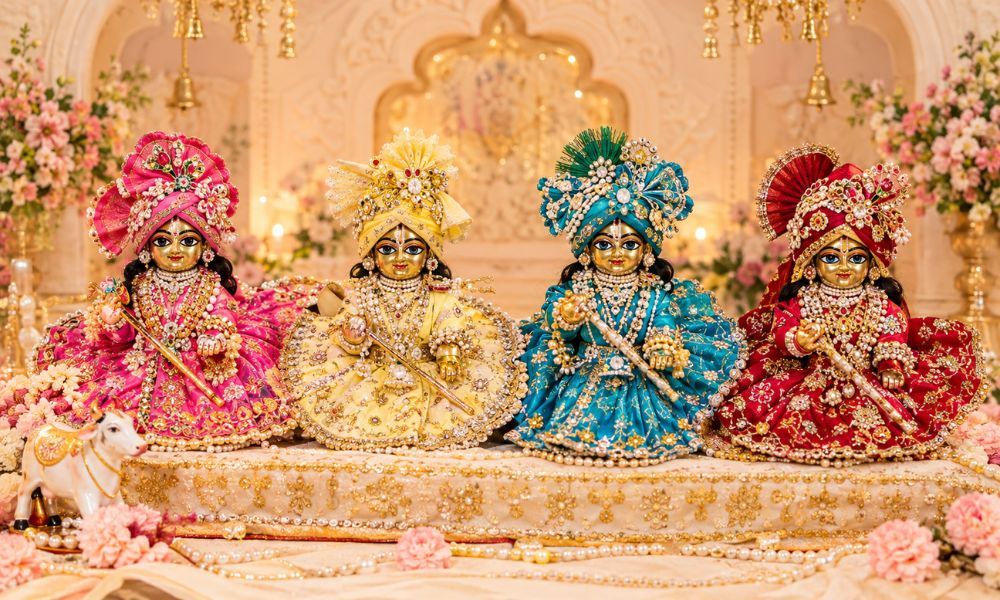
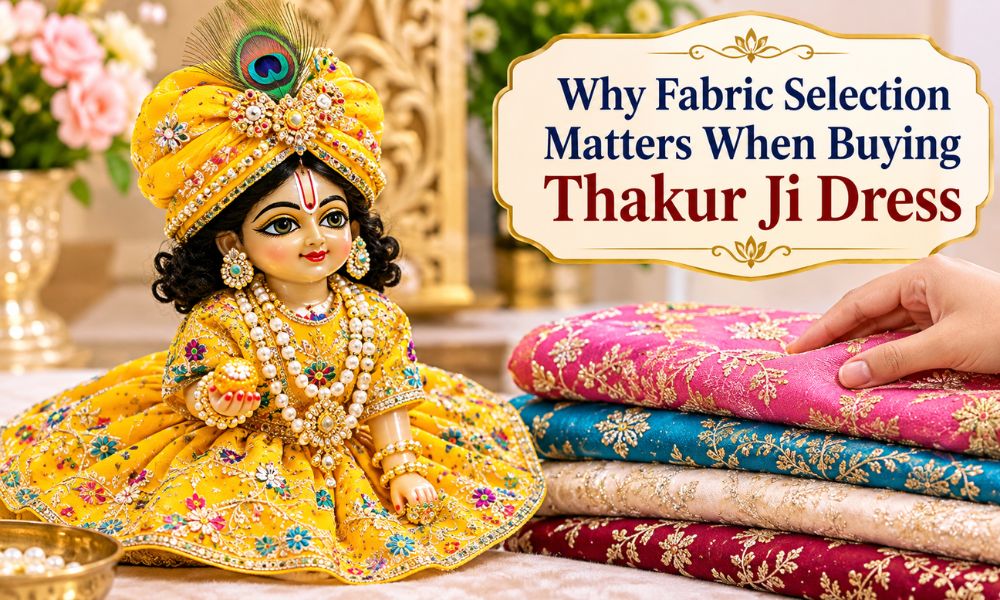
The fabric plays an important role in how a Thakur Ji dress looks after dressing. Different materials create different styles, textures, and finishes. For example, silk gives a traditional and elegant appearance, while velvet offers a rich and decorative look. Cotton provides a simple and graceful finish that works well for everyday worship.
The choice of fabric also influences how embroidery, lace, zari work, and other decorative elements appear on the outfit. If you prefer a grand look for festivals, you can consider embroidered silk or velvet dresses. For regular dressing, lightweight materials with simple designs can be a practical option.
2. Choose Comfortable Fabrics for Everyday Dressing
Daily dressing requires outfits that are easy to arrange and maintain. Soft fabrics such as cotton and muslin are popular choices because they have a lightweight texture and are available in different colours and designs.
When choosing everyday Thakur Ji clothing, look for materials with smooth finishing and neat stitching. Avoid unnecessarily heavy embellishments if you want a simple outfit for regular use. Lightweight dresses can also make changing outfits and arranging daily shringar more convenient.
Selecting practical fabrics allows devotees to maintain a beautiful appearance for Thakur Ji without choosing elaborate clothing every day.
3. Select Seasonal Fabrics for Different Weather Conditions
Weather conditions are another reason why fabric selection matters. Different materials are suitable for different seasons, and choosing accordingly can help you maintain a suitable wardrobe for Thakur Ji throughout the year.
During summer, lightweight cotton and muslin fabrics are popular because of their breathable texture. Pastel shades and simple patterns can also create a refreshing appearance.
In winter, velvet, woollen, and other warm-looking materials are commonly preferred for seasonal dressing. These fabrics offer a rich and cosy appearance.
During the monsoon, lightweight and easy-to-maintain materials can be useful because humidity may make drying and storing clothes more challenging. Keeping seasonal requirements in mind helps you select outfits that are practical and attractive.
4. Different Fabrics Create Different Traditional Looks
Every fabric has its own visual appeal, making it easier to create different styles for Thakur Ji. Before purchasing an outfit, it is helpful to understand the characteristics of commonly used materials.
- Cotton: Cotton dresses are suitable for simple daily dressing. They are available in many colours, prints, and patterns, making them a versatile option.
- Silk: Silk offers a graceful and traditional appearance. It is a popular choice for festive outfits, religious ceremonies, and special occasions.
- Velvet: Velvet is known for its rich texture and decorative finish. It works well for winter outfits and grand festive poshak.
- Satin: Satin has a smooth and slightly shiny surface that gives dresses an elegant appearance. It is often used in decorative and designer outfits.
- Net Fabric: Net material is commonly used for layered designs, decorative skirts, and stylish festive dresses. It can add a delicate touch to traditional clothing.
Understanding these fabric options makes it easier to choose an outfit that matches your preferred style and occasion.
5. Fabric Quality Affects Durability
Apart from appearance, fabric quality also influences how long a dress remains in good condition. Poor-quality material may lose its original texture, develop loose threads, or become damaged after repeated handling and washing.
When purchasing a Thakur Ji dress, check the fabric carefully. Look for neat stitching, properly finished edges, and securely attached decorative elements. The material should feel smooth and should not have rough surfaces or visible damage.
Good-quality fabric can help maintain the outfit’s appearance for a longer period, especially when it is stored and cleaned according to its care requirements.
6. Easy Maintenance Makes Everyday Dressing Convenient
Some fabrics require more attention than others. For example, heavily embroidered silk and velvet outfits may need gentle cleaning and careful storage. On the other hand, simple cotton dresses are generally easier to maintain.
Before buying a dress, consider how frequently you plan to use it and how much care it requires. If you want outfits for daily dressing, choose materials that are relatively easy to clean and store. For occasional festive use, you can explore more decorative fabrics that require additional care.
Always follow the recommended washing instructions to protect the material, embroidery, and decorative work.
7. Consider Fabric According to Festivals and Special Occasions
Special occasions provide an opportunity to dress Thakur Ji in beautiful and decorative outfits. Janmashtami, Diwali, Radha Ashtami, and other religious celebrations are often marked by colourful clothing and elaborate shringar.
For these occasions, you can choose silk, velvet, satin, or embroidered fabrics depending on the season and the style you prefer. Golden borders, zari work, pearls, and decorative lace can further enhance the overall appearance.
For everyday worship, simple cotton or lightweight dresses may be more suitable. Keeping separate outfits for daily use and special occasions can also help organise Thakur Ji’s wardrobe.
8. Check the Fabric Along with Dress Size and Stitching
Even a beautiful fabric may not create the desired appearance if the dress does not fit properly. Therefore, fabric selection should go hand in hand with checking the correct size and stitching quality.
Before purchasing, check the available size according to your Thakur Ji idol. Also, examine the outfit’s finishing, neckline, elastic, and overall design. The dress should be easy to arrange and should sit neatly on the idol.
If you are purchasing online, carefully read the product description and check the fabric and size details before placing an order.
9. Explore Beautiful Thakur Ji Dress Designs at Gopal Gallery
Finding the right Thakur Ji dress becomes easier when you understand which fabric, design, and style suit your requirements. Gopal Gallery offers different traditional and designer clothing options for devotees looking to add beautiful outfits to their Kanha Ji’s wardrobe.
From colourful daily-wear dresses to decorative festive poshak, exploring different designs can help you find suitable options for various occasions. While selecting an outfit, compare the fabric, size, finishing, and decorative details to make a thoughtful purchase.
Conclusion
Fabric selection is an important part of buying a Thakur Ji dress because it influences the outfit’s appearance, quality, maintenance, and suitability for different seasons. Cotton and muslin are popular for simple daily dressing, while silk, velvet, satin, and embroidered materials offer different styles for festive occasions.
Before making a purchase, consider the weather, fabric quality, stitching, size, and care requirements. Choosing the right material helps you maintain a beautiful and organised wardrobe for Thakur Ji while making everyday shringar and special celebrations more meaningful.
Don’t miss: How to Select the Right Laddu Gopal Poshak According to Season